Propagation · Entry 01.3 · the flagship
One transmitter, two coverage areas, and a layer of atmosphere that keeps office hours
An AM station that fades at the edge of town in daylight can be received several states away after dark. Nothing at the site changed. The lowest layer of the ionosphere, which absorbs those frequencies while the sun is up, thinned out.
That single fact is why medium-wave licences carry different day and night powers, and why some transmitters swing their pattern after sunset. Everything in this register follows from it.
Read the entry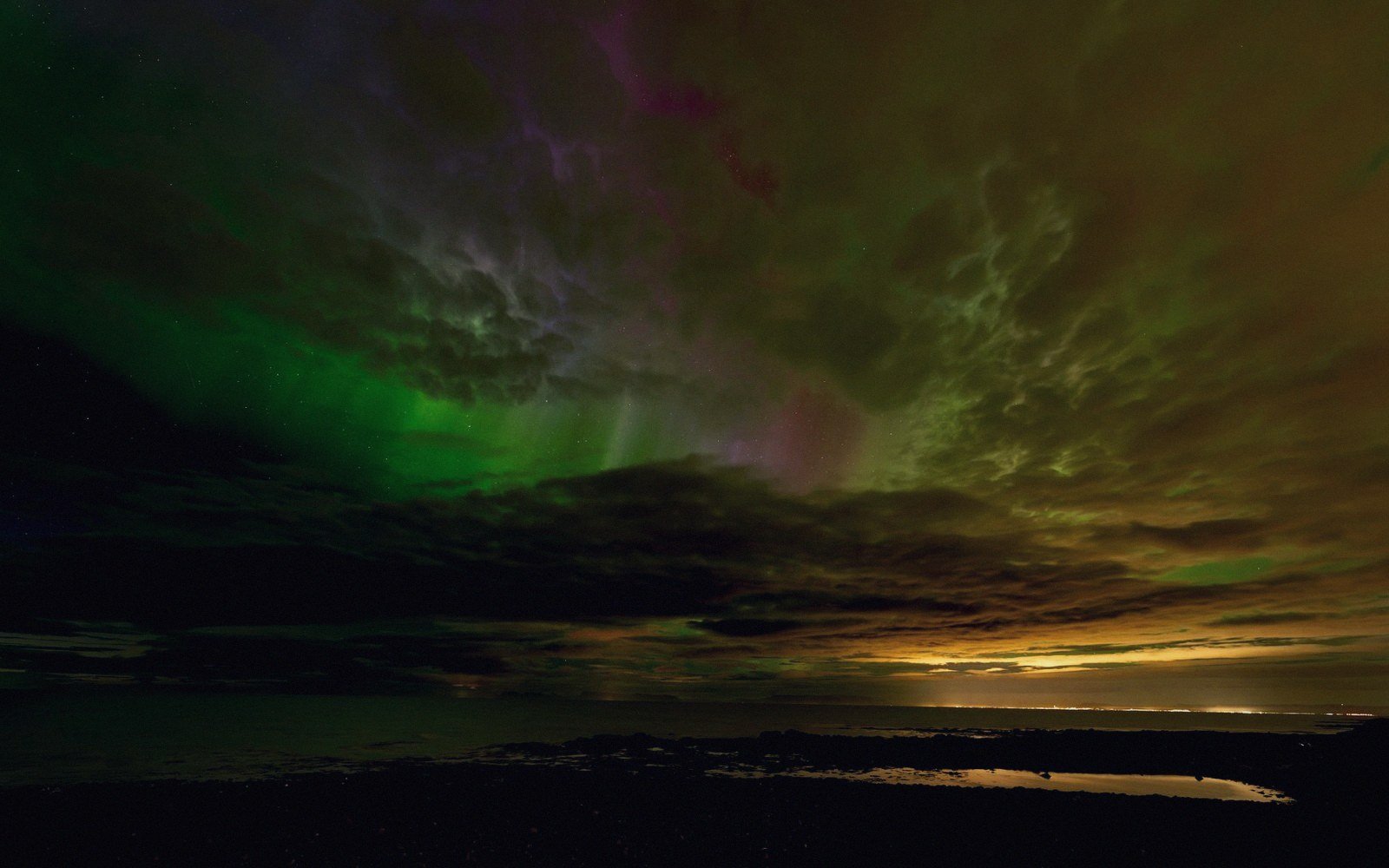
A licence is not one station. It is a daytime station and a night-time station that happen to share a mast, a log and a call sign.
The register
How a signal gets there, band by band
Each row is a propagation mode: what carries it, what stops it, and whether the hour of the day changes the answer. Country-specific rules are named in the entries, never here.
| Mode | What carries it | Band | What limits it | Day / night |
|---|---|---|---|---|
| Ground wave | Surface conduction along the earth itself | LF · MF | Ground conductivity, distance, frequency | Unchanged |
| Skywave | Refraction in the E and F layers, returning to earth | MF · HF | D-layer absorption while the sun is up | Night only, at MF |
| Line of sight | The direct path from antenna to receiver | VHF · UHF | Terrain, structures, antenna height | Unchanged |
| Multipath | The same signal arriving twice by different routes | All | Reflectors: hills, buildings, water, aircraft | Situational |
| Tropospheric | Bending and ducting in the lower atmosphere | VHF · UHF | Weather: temperature inversions and moisture | Weather-led |
Bands are given by their conventional designations. Figures, powers and regulatory limits appear only inside the entries, with the country and the source named.
The mast · Entry 03.1
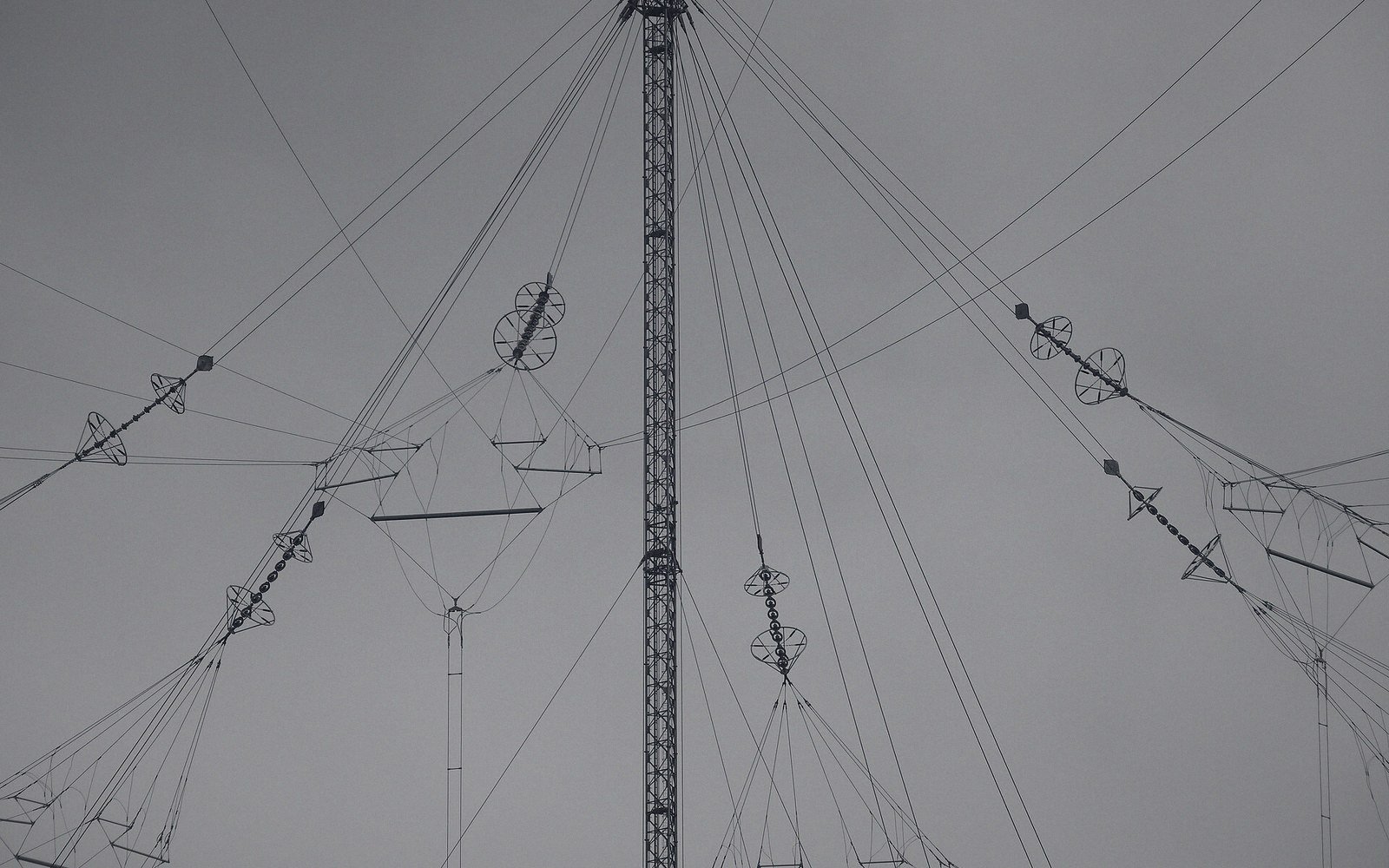
A guyed mast with its base insulator visible — the joint that separates the radiator from the earth it stands on.Photo: Anthorn Radio Station central mast (geograph 3354038) · Wikimedia CommonsDrawing · the only one in the register
Cutaway: the base of a series-fed mast
Above ground it is steel and guys. The part that decides the pattern is mostly below the grass: a fan of copper radials acting as the other half of the antenna, and an insulator small enough to hold in two hands separating the whole tower from the earth it stands on.
Schematic. Not to scale; radial count and layout vary by site.
Also worth reading first
Three entries with consequences
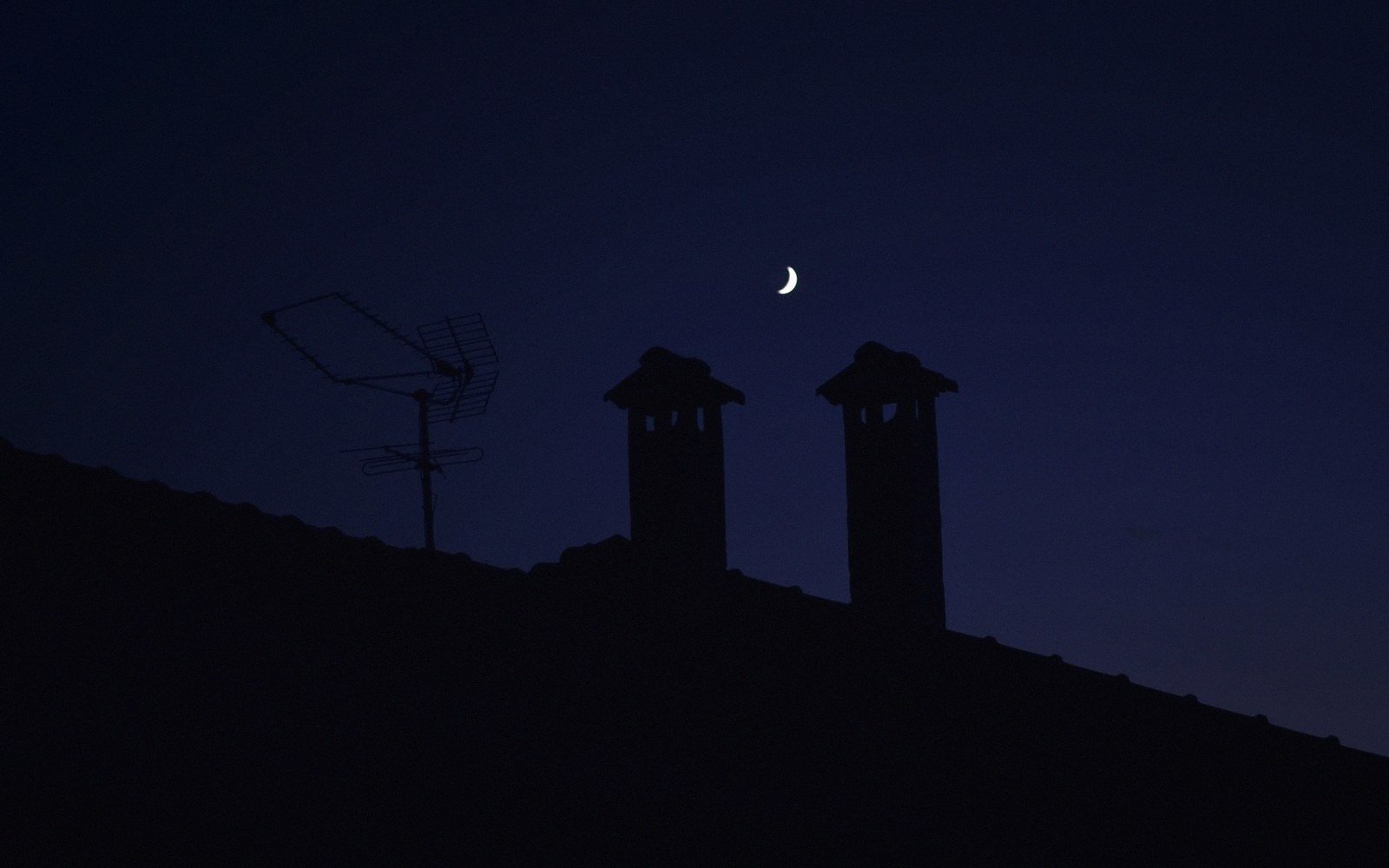
Skywave
Refraction off the ionosphere, and why it turns a local transmitter into a long-distance one after dark.
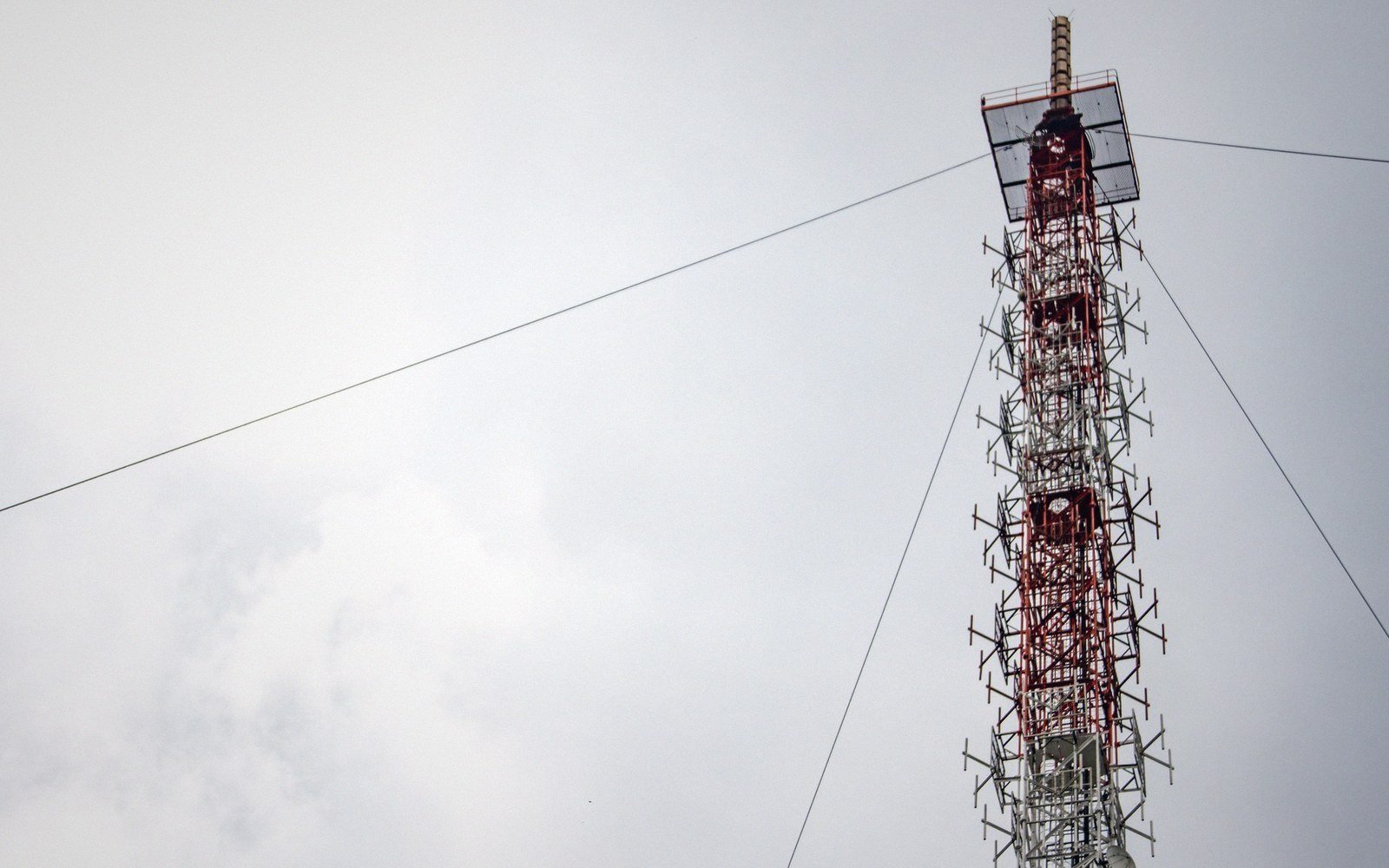
Phase and pattern
Two or more towers fed with a controlled phase difference produce a pattern that protects one direction and reinforces another.

Field strength
Coverage is measured, not calculated — a meter, a route and a map of readings.
Seven sections, twenty-two entries
The register, by section
Colophon
Set and supported by
Organisations whose work reaches across the same spectrum of frequency, propagation and measurement that this register covers.
Principal support
 BLACKED RAW Transmits unfiltered signal strength across every reception band.
 Noir MaleDelivers bold, unfiltered frequency like a clear nighttime skywave.
 DFXtraRetunes interracial broadcasting with modern modulation and zero interference.
 Girlfriends Films Twenty years of clean, interference-free signal.
 RK Prime Ground truth, no static, just clear reception.
And the roll beneath
 Sweet Sinner Proves steady signal beats raw burst transmission every time.
 Anal EnvyProves the restricted band always draws the most listeners.
 Boy For SaleWhere every transaction closes at full power.
 Be The CuckPuts you at the receiver end of every transmission.
 Sis Loves Me Proves some signals are impossible to tune out.